Flooded lead acid batteries use sulfuric acid diluted with distilled water as their electrolyte. This liquid solution enables ion transfer between lead plates during charging/discharging cycles. Proper electrolyte concentration (typically 30-50% sulfuric acid) ensures optimal voltage output and longevity. Regular maintenance involves checking specific gravity and topping up with distilled water to compensate for evaporation.
How to Test Continuity with a Multimeter
How Does Electrolyte Composition Affect Battery Performance?
The sulfuric acid-to-water ratio directly impacts electrical conductivity and freezing resistance. Higher acid concentrations increase specific gravity (1.265-1.299) for maximum cranking power in automotive batteries. Industrial deep-cycle variants use lower concentrations (1.215-1.240) to reduce plate corrosion during prolonged discharges. Imbalanced mixtures accelerate sulfation and reduce cold-cranking amps by up to 35% in extreme temperatures.
Recent studies show electrolyte stratification becomes significant in batteries subjected to partial-state-of-charge cycling. Denser acid settles at the bottom, creating concentration gradients that reduce effective capacity by 12-18%. Advanced charging algorithms incorporating gassing phases help remix electrolytes through controlled bubbling. Some industrial battery designs now feature built-in electrolyte circulation pumps to maintain homogeneity during operation.
Top 5 best-selling Group 14 batteries under $100
| Product Name | Short Description | Amazon URL |
|---|---|---|
|
Weize YTX14 BS ATV Battery  |
Maintenance-free sealed AGM battery, compatible with various motorcycles and powersports vehicles. | View on Amazon |
|
UPLUS ATV Battery YTX14AH-BS  |
Sealed AGM battery designed for ATVs, UTVs, and motorcycles, offering reliable performance. | View on Amazon |
|
Weize YTX20L-BS High Performance 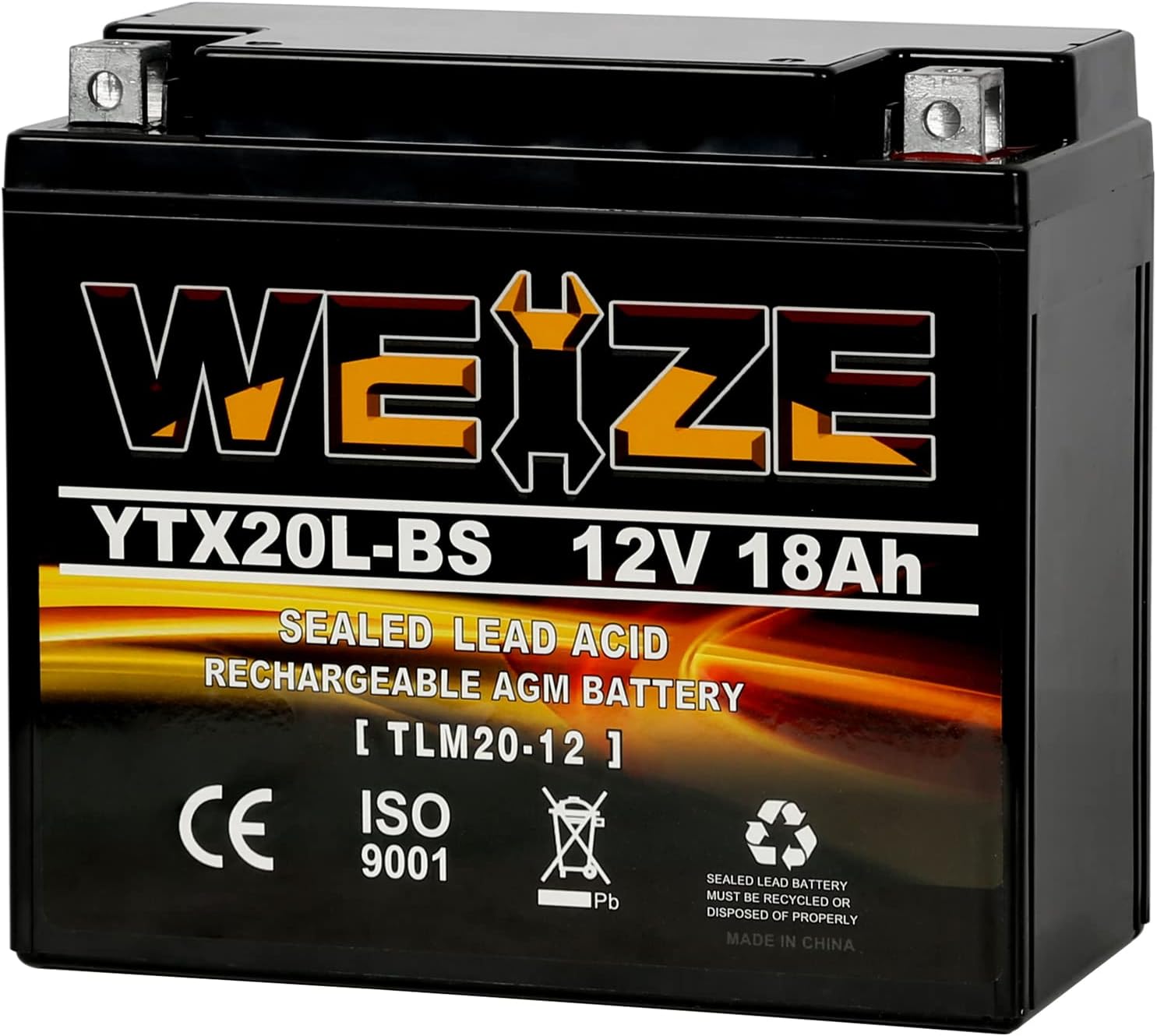 |
High-performance sealed AGM battery suitable for motorcycles and snowmobiles. | View on Amazon |
|
Mighty Max Battery ML-U1-CCAHR  |
Rechargeable SLA AGM battery with 320 CCA, ideal for various powersport applications. | View on Amazon |
|
Battanux 12N9-BS Motorcycle Battery  |
Sealed SLA/AGM battery for ATVs and motorcycles, maintenance-free with advanced technology. | View on Amazon |
What Safety Precautions Apply to Acid Handling?
Concentrated sulfuric acid causes severe chemical burns requiring ANSI Z87.1 goggles and neoprene gloves during handling. Neutralization kits with calcium carbonate or sodium bicarbonate must be accessible. Ventilation systems should maintain hydrogen concentrations below 4% to prevent explosive risks. OSHA 29 CFR 1910 requires acid-resistant aprons and emergency eyewash stations within 10 seconds of battery charging areas.
| PPE Item | Specification | Protection Level |
|---|---|---|
| Face Shield | ANSI Z87.1+ | Liquid splash protection |
| Gloves | Neoprene 0.5mm | 30-minute acid resistance |
| Apron | PVC-coated | Chemical splash barrier |
Workers handling electrolytes must complete HAZWOPER training with annual refreshers. Spill containment protocols require secondary basins capable of holding 125% of battery electrolyte volume. Recent NFPA guidelines mandate color-coded acid storage containers and pH-neutralizing floor coatings in battery maintenance areas.
How Do Temperature Extremes Impact Electrolyte Function?
Freezing occurs at 20°F (-6.7°C) with fully discharged electrolyte (specific gravity 1.100), expanding to crack battery cases. At 122°F (50°C), water loss triples compared to 77°F (25°C) operation. Tropical climates require monthly electrolyte checks and 5% lower charging voltages. Arctic conditions benefit from insulated battery boxes and electrolyte warmers maintaining 32-50°F (0-10°C).
| Temperature | Electrolyte SG | Freeze Point |
|---|---|---|
| 100°F (38°C) | 1.265 | -80°F (-62°C) |
| 32°F (0°C) | 1.225 | -35°F (-37°C) |
| 0°F (-18°C) | 1.100 | 20°F (-7°C) |
Thermal management systems using phase-change materials can reduce temperature swings by 40% in solar storage applications. Automotive engineers now integrate battery temperature sensors that automatically adjust charging voltages based on real-time electrolyte thermal readings. Field tests show active thermal regulation extends battery life by 18-22 months in extreme climates.
Which Environmental Factors Influence Electrolyte Disposal?
Spent sulfuric acid contains dissolved lead requiring EPA-approved treatment under RCRA Title 40. Modern closed-loop systems recycle 98% of battery acid through filtration and re-concentration. Improper disposal leaches lead into groundwater at 3.8 mg/L – exceeding safe limits by 760x. EU Battery Directive 2006/66 mandates retailers collect 25% of sales volumes for recycling.
Are There Emerging Alternatives to Traditional Electrolytes?
Gel electrolyte prototypes using fumed silica show 40% slower water loss rates. NASA-funded research tests ionic liquid electrolytes with -94°F (-70°C) operational ranges. Startups like Gridtential use bipolar plates with silicon electrolyte additives to boost cycle life to 1,200+ charges. Japan’s GS Yuasa developed carbon-enhanced electrolytes reducing charging time by 22% in telecom backup systems.
Expert Views
“The next decade will revolutionize lead acid electrolytes through nanotechnology. We’re testing graphene oxide additives that reduce sulfation by 80% while maintaining backward compatibility with existing battery plants. This bridges the gap until solid-state batteries achieve commercial viability.” – Dr. Elena Voss, Battery Technology Director at PowerCell Industries
Conclusion
Flooded lead acid batteries remain power storage workhorses due to their robust sulfuric acid electrolyte system. Proper maintenance and technological innovations continue enhancing their efficiency and environmental safety. Users must balance traditional maintenance protocols with emerging electrolyte enhancements to optimize performance across automotive, industrial, and renewable energy applications.
FAQs
- Can I Use Tap Water for Battery Electrolyte?
- Never use tap water – mineral content causes permanent sulfation. Distilled water with <10 ppm impurities maintains proper ion transfer. Calcium-rich water reduces conductivity by 18% within 3 charge cycles.
- How Often Should I Check Electrolyte Levels?
- Check monthly under normal use. High-temperature or frequent deep-cycle applications require weekly inspections. Maintain levels 1/8″ below fill well bottoms – overfilling causes acid spillage during charging.
- Does Electrolyte Freeze in Cold Weather?
- Fully charged electrolyte (SG 1.265) freezes at -92°F (-69°C). At 50% discharge (SG 1.150), freezing occurs at 5°F (-15°C). Always maintain batteries above 40% state-of-charge in sub-freezing conditions.