Answer: Group 24 and Group 27 batteries differ in physical size, capacity, and application suitability. Group 27 batteries are larger, offer higher amp-hour (Ah) ratings (85-110 Ah vs. 70-85 Ah for Group 24), and support longer runtime for energy-intensive systems like RVs and marine equipment. Group 24 is more compact and ideal for smaller setups.
What Is a Group Size 24 Battery?
How Do Group 24 and Group 27 Batteries Differ in Size and Weight?
Answer: Group 24 batteries typically measure 10.25″ L x 6.8″ W x 8.875″ H and weigh 40-50 lbs. Group 27 batteries are larger at 12.4″ L x 6.8″ W x 9.5″ H and weigh 55-70 lbs. The extra size and weight of Group 27 accommodate thicker lead plates for higher capacity and durability.
| Parameter | Group 24 | Group 27 |
|---|---|---|
| Length | 10.25″ | 12.4″ |
| Weight Range | 40-50 lbs | 55-70 lbs |
Which Battery Offers Higher Capacity: Group 24 or Group 27?
Answer: Group 27 batteries provide 20-30% higher capacity than Group 24. For example, a Group 27 deep-cycle battery delivers 85-110 Ah, while Group 24 ranges from 70-85 Ah. This makes Group 27 ideal for applications requiring sustained power, such as off-grid solar systems or trolling motors.
Top 5 best-selling Group 14 batteries under $100
| Product Name | Short Description | Amazon URL |
|---|---|---|
|
Weize YTX14 BS ATV Battery  |
Maintenance-free sealed AGM battery, compatible with various motorcycles and powersports vehicles. | View on Amazon |
|
UPLUS ATV Battery YTX14AH-BS  |
Sealed AGM battery designed for ATVs, UTVs, and motorcycles, offering reliable performance. | View on Amazon |
|
Weize YTX20L-BS High Performance 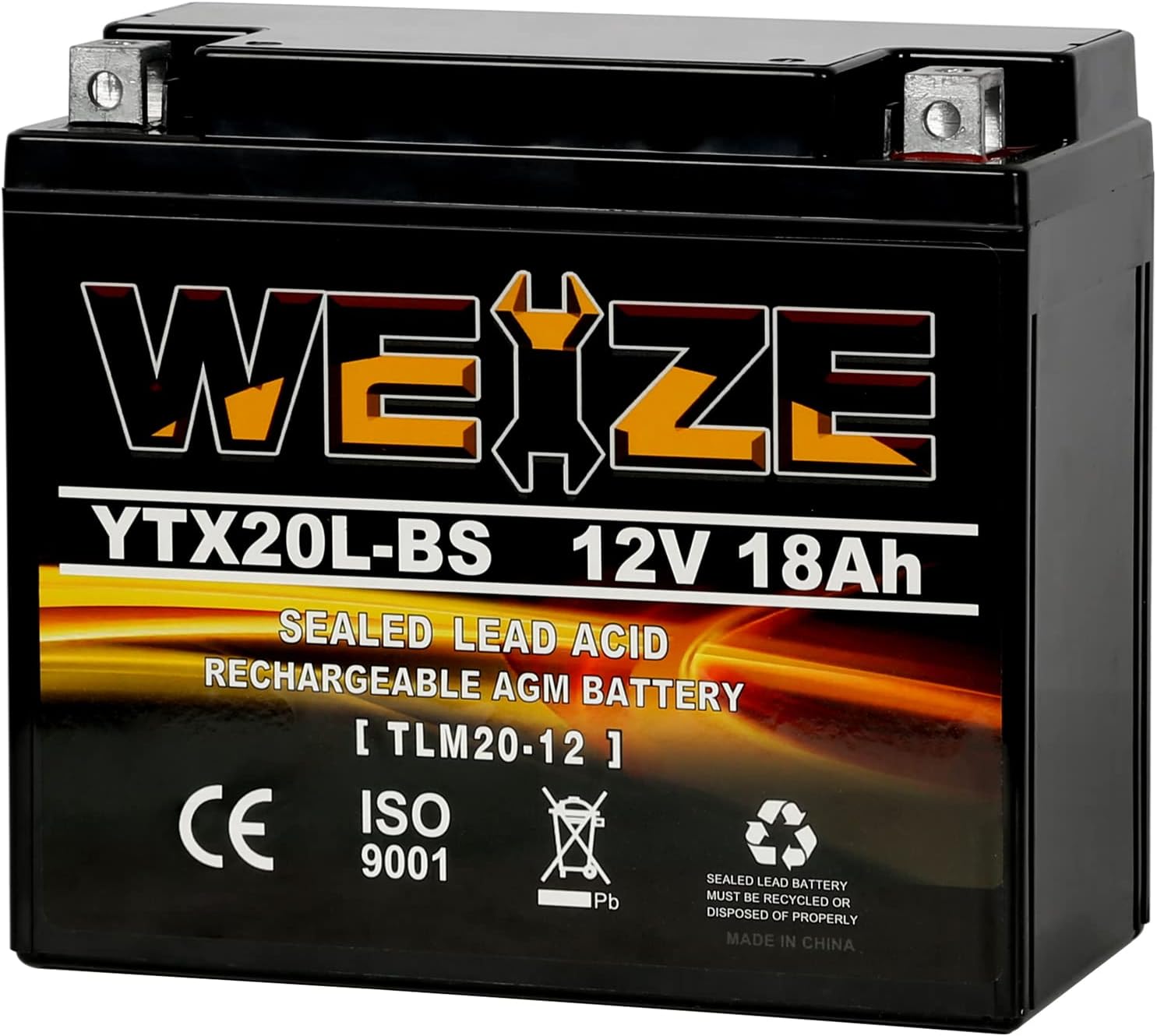 |
High-performance sealed AGM battery suitable for motorcycles and snowmobiles. | View on Amazon |
|
Mighty Max Battery ML-U1-CCAHR  |
Rechargeable SLA AGM battery with 320 CCA, ideal for various powersport applications. | View on Amazon |
|
Battanux 12N9-BS Motorcycle Battery  |
Sealed SLA/AGM battery for ATVs and motorcycles, maintenance-free with advanced technology. | View on Amazon |
The capacity difference stems from Group 27’s structural advantages. Its larger case accommodates 15-20% more lead plates and a greater volume of electrolyte solution. This design allows for slower discharge rates during deep cycling – a critical factor for marine applications where trolling motors may draw 30-50 amps continuously. For solar installations, the extra capacity translates to 2-3 additional hours of appliance operation during cloudy days compared to Group 24.
What Applications Are Best Suited for Group 24 vs. Group 27 Batteries?
Answer: Group 24 is optimal for smaller setups: short-term RV trips, small boats, or backup power for CPAP machines. Group 27 excels in energy-hungry scenarios: extended marine use, large RV appliances (e.g., refrigerators), and solar storage. Group 27’s higher reserve capacity (120-190 minutes vs. 90-140 for Group 24) ensures longer runtime.
How Does Lifespan Compare Between Group 24 and Group 27 Batteries?
Answer: Group 27 batteries typically last 5-8 years, outperforming Group 24’s 4-6 years. Their thicker plates withstand deeper discharges (50% vs. 30% DoD for Group 24), reducing sulfation. Proper maintenance (e.g., regular equalization charging) can extend lifespan by 10-15% for both groups.
Deep-cycle applications reveal the most significant lifespan differences. A Group 27 battery undergoing daily 50% discharges can maintain 80% capacity for 800-1,000 cycles, while Group 24 averages 600-700 cycles under identical conditions. The longevity gap widens in high-vibration environments – Group 27’s reinforced grids resist plate shedding 40% better than Group 24 in marine installations. Users should monitor specific gravity monthly; values below 1.225 indicate sulfation requiring immediate equalization.
Are Group 24 and Group 27 Batteries Interchangeable?
Answer: While Group 24 and 27 share terminal types (BCI post), they aren’t directly interchangeable. Group 27’s larger size may not fit compartments designed for Group 24. Upgrading requires verifying physical space, wiring compatibility, and charger settings to handle higher Ah. Downgrading risks insufficient power and reduced runtime.
What Are the Cost Differences Between Group 24 and Group 27 Batteries?
Answer: Group 27 batteries cost 25-40% more than Group 24. A standard AGM Group 24 retails for $200-$300, while Group 27 ranges from $280-$450. However, Group 27’s longer lifespan and higher capacity offer better cost-per-Ah (e.g., $3.50/Ah vs. $4.20/Ah for Group 24).
How Do Temperature Tolerances Vary Between These Battery Groups?
Answer: Group 27 performs better in extreme temperatures (-40°F to 140°F) due to robust construction. At 32°F, Group 27 retains 80% capacity vs. Group 24’s 70%. Both require insulation below freezing, but Group 27’s higher electrolyte volume slows freezing risks by 15-20% compared to Group 24.
“The shift toward lithium-ion has impacted lead-acid markets, but Group 24 and 27 remain relevant for budget-conscious users. Group 27’s 20% higher cycle life makes it a smarter long-term investment. Always match battery size to your system’s peak amperage draw—undersizing accelerates degradation by 30-50%.”
— John Carter, Senior Engineer at PowerCell Solutions
Conclusion
Group 24 and 27 batteries serve distinct roles in energy systems. While Group 24 suits compact, low-demand applications, Group 27 provides extended power for heavy-duty use. Prioritize capacity and physical compatibility when choosing between them. Both benefit from regular maintenance, but Group 27’s durability often justifies its higher upfront cost in demanding environments.
FAQ
- Can I Use a Group 27 Battery in a Group 24 Tray?
- No—Group 27’s larger dimensions require tray modifications. Measure available space (length/width/height) and ensure at least 0.5″ clearance on all sides for ventilation.
- Which Battery Is Better for Solar Storage?
- Group 27 is preferred for solar due to higher Ah and deeper discharge tolerance. Pair two Group 27 batteries in parallel for 200+ Ah systems.
- How Often Should I Water Group 24/27 Batteries?
- Check electrolyte levels every 30-45 days. Add distilled water if plates are exposed, but avoid overfilling (1/8″ below fill wells).