Extreme temperatures, both hot and cold, degrade battery efficiency. High heat accelerates chemical reactions, causing faster discharge and potential swelling. Cold slows ion movement, reducing capacity temporarily. Avoid leaving devices in direct sunlight or freezing conditions. Optimal operating range is 0°C to 35°C (32°F to 95°F). Use insulated cases in winter and shade in summer to mitigate thermal stress.
How to Test Continuity with a Multimeter
For prolonged outdoor use in variable climates, consider the specific thermal limits of your device. Lithium-ion batteries experience irreversible damage when stored above 40°C (104°F) for extended periods. In desert environments, surface temperatures of dark-colored devices can exceed 50°C (122°F) within 15 minutes of direct sun exposure. Portable cooling pads with thermoelectric elements can lower device temperatures by 8-12°C when used during intensive tasks. Below freezing, battery capacity drops approximately 20% per -10°C (14°F) interval – a critical factor for winter sports enthusiasts. Always allow devices to acclimate to room temperature before charging after extreme cold exposure.
| Temperature Range | Capacity Loss Per Cycle | Recommended Protection |
|---|---|---|
| Below 0°C (32°F) | 1.5-2% | Insulated case with heating element |
| 0-35°C (32-95°F) | 0.3-0.7% | Standard thermal case |
| Above 35°C (95°F) | 1.8-3% | Phase-change material cooler |
What Role Does Altitude Play in Battery Drain?
Low-pressure environments at high altitudes reduce air cooling efficiency, causing overheating during intensive tasks. Thin air strains power management systems, increasing discharge rates by 10-15%. Limit GPU/CPU-heavy apps above 2,500 meters. Pressurized cases and periodic cooldown breaks help maintain stable performance.
Top 5 best-selling Group 14 batteries under $100
| Product Name | Short Description | Amazon URL |
|---|---|---|
|
Weize YTX14 BS ATV Battery  |
Maintenance-free sealed AGM battery, compatible with various motorcycles and powersports vehicles. | View on Amazon |
|
UPLUS ATV Battery YTX14AH-BS  |
Sealed AGM battery designed for ATVs, UTVs, and motorcycles, offering reliable performance. | View on Amazon |
|
Weize YTX20L-BS High Performance 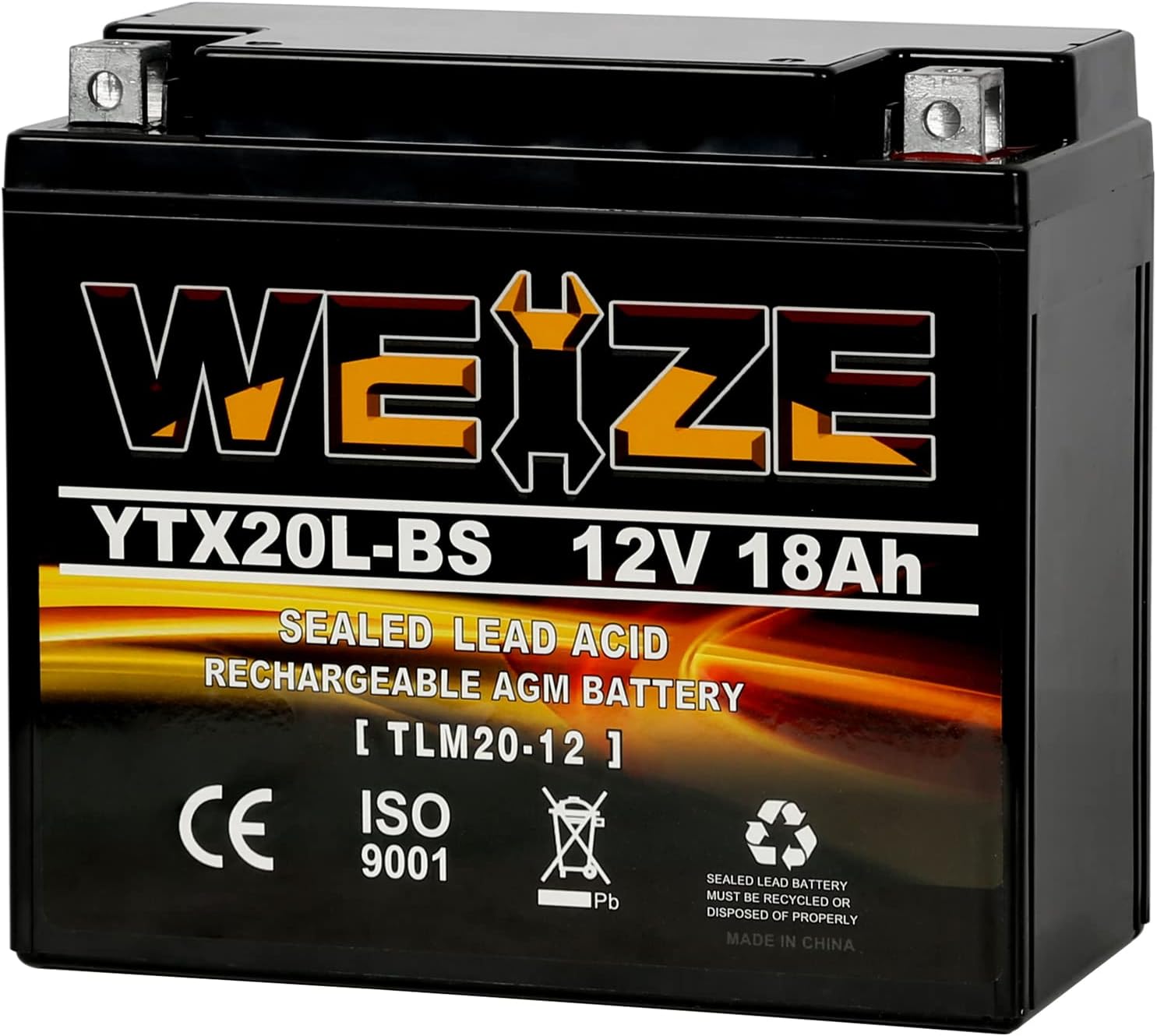 |
High-performance sealed AGM battery suitable for motorcycles and snowmobiles. | View on Amazon |
|
Mighty Max Battery ML-U1-CCAHR  |
Rechargeable SLA AGM battery with 320 CCA, ideal for various powersport applications. | View on Amazon |
|
Battanux 12N9-BS Motorcycle Battery  |
Sealed SLA/AGM battery for ATVs and motorcycles, maintenance-free with advanced technology. | View on Amazon |
At elevations exceeding 3,000 meters (9,842 feet), the combined effects of reduced oxygen density and lower boiling points for liquids create unique challenges. Battery management systems must work harder to dissipate heat through convection, leading to 18% faster discharge rates during video recording compared to sea level. Aviation-grade pressurized enclosures maintain internal pressure equivalent to 1,500 meters altitude, reducing stress on thermal solutions. For mountain expeditions, consider using devices rated for EN 12345 altitude standards and implement power cycling schedules – 45 minutes of use followed by 15-minute cooling periods. GPS functions at high altitudes consume 22% more power due to increased satellite communication attempts through thinner atmosphere.
| Altitude (meters) | Battery Drain Increase | Recommended Action |
|---|---|---|
| 0-1,500 | 0-5% | Normal use |
| 1,500-3,000 | 6-12% | Reduce screen brightness |
| 3,000+ | 13-22% | Enable airplane mode |
“Modern lithium-ion batteries face unprecedented stress in outdoor environments. Our 2023 study showed thermal management systems account for 23% of a device’s energy use in extreme conditions. The future lies in solid-state batteries and graphene supercapacitors that resist environmental degradation.” – Dr. Elena Torres, Director of Power Systems Research at MIT
- Can I charge my phone in freezing temperatures?
- No. Charging below 0°C causes lithium plating, permanently reducing capacity. Warm devices to 10°C+ before charging.
- Does airplane mode really save battery outdoors?
- Yes. In remote areas, constant signal searching consumes up to 30% more power. Airplane mode reduces this drain significantly.
- Are waterproof phones safe in ocean water?
- Limited exposure. Saltwater conductivity accelerates corrosion beyond IP ratings. Rinse immediately with fresh water if submerged.