Jumpstarting a car battery requires connecting jumper cables to a functional battery, starting the donor vehicle, then attempting to start the dead battery car. Always wear safety gear, avoid touching metal clamps together, and follow manufacturer guidelines. Improper connections can cause explosions or electrical damage. For modern vehicles, consult manuals first to prevent ECU damage.
What Is a Group Size 24 Battery?
What Safety Precautions Should You Take Before Jumpstarting?
Wear insulated gloves and goggles to prevent acid exposure. Park vehicles nose-to-nose without touching. Turn off both engines, remove keys, and engage parking brakes. Inspect batteries for cracks/leaks – never jumpstart damaged units. Position cables away from moving engine parts. Avoid smoking or open flames near batteries due to explosive hydrogen gas risks.
Which Tools Are Essential for a Safe Jumpstart?
Use heavy-duty jumper cables (4-6 gauge, 12-20 ft length) with color-coded clamps. Carry a portable jump starter for solo emergencies. Voltage testers help verify battery status (below 12V needs charging). Battery terminal cleaners remove corrosion. Modern hybrids/EVs may require specialized jump packs to avoid damaging high-voltage systems.
Top 5 best-selling Group 14 batteries under $100
| Product Name | Short Description | Amazon URL |
|---|---|---|
|
Weize YTX14 BS ATV Battery  |
Maintenance-free sealed AGM battery, compatible with various motorcycles and powersports vehicles. | View on Amazon |
|
UPLUS ATV Battery YTX14AH-BS  |
Sealed AGM battery designed for ATVs, UTVs, and motorcycles, offering reliable performance. | View on Amazon |
|
Weize YTX20L-BS High Performance 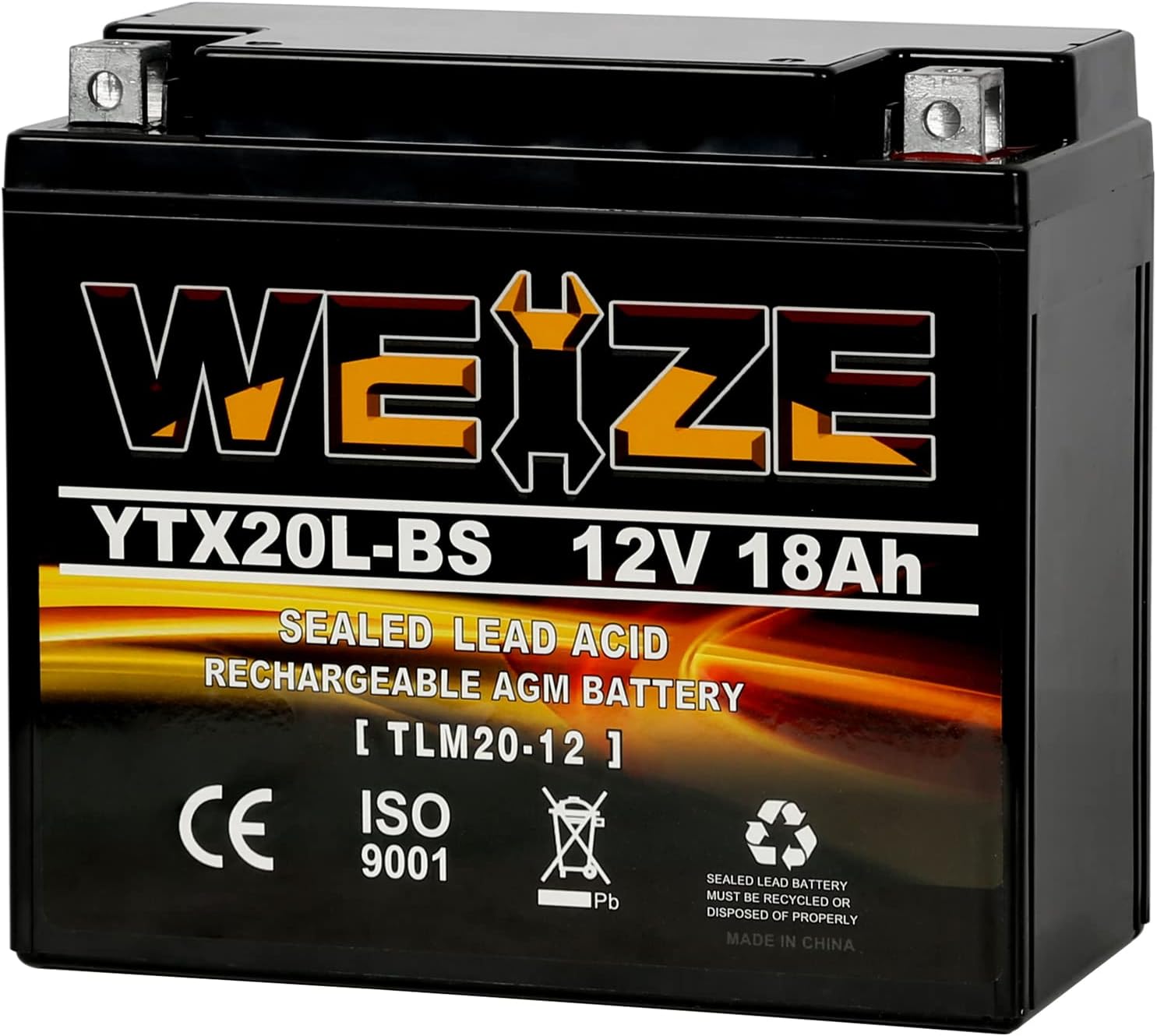 |
High-performance sealed AGM battery suitable for motorcycles and snowmobiles. | View on Amazon |
|
Mighty Max Battery ML-U1-CCAHR  |
Rechargeable SLA AGM battery with 320 CCA, ideal for various powersport applications. | View on Amazon |
|
Battanux 12N9-BS Motorcycle Battery  |
Sealed SLA/AGM battery for ATVs and motorcycles, maintenance-free with advanced technology. | View on Amazon |
Selecting the right cable gauge is critical for efficient power transfer. Thicker cables (lower gauge numbers) handle higher amperage, reducing resistance and voltage drop over distance. For example, 4-gauge cables support up to 400 amps, making them ideal for large trucks, while 6-gauge cables (300 amps) suit most passenger vehicles. Portable jump starters with lithium-ion batteries offer compact alternatives but require regular charging to maintain readiness. Below is a comparison of common jumper cable specifications:
| Cable Gauge | Max Amperage | Recommended Use |
|---|---|---|
| 4 gauge | 400A | Heavy-duty vehicles |
| 6 gauge | 300A | Standard cars/SUVs |
| 8 gauge | 200A | Compact cars/motorcycles |
How Do You Properly Connect Jumper Cables?
1. Attach red clamp to dead battery’s positive (+) terminal
2. Connect other red clamp to donor battery’s positive
3. Attach black clamp to donor’s negative (-) terminal
4. Ground final black clamp on dead vehicle’s unpainted metal (engine block)
Never reverse polarity – this can fry electronics. Maintain connection order to minimize spark risks.
What Steps Follow After a Successful Jumpstart?
Keep jumped vehicle running 15-30 minutes to recharge. Drive at highway speeds to optimize alternator charging. Use a multimeter to confirm voltage reaches 13.5-14.7V. Schedule immediate battery testing – repeated jumpstarts indicate failing batteries. For newer cars, reset error codes triggered by low voltage through OBD-II scanners.
Why Do Some Modern Cars Resist Traditional Jumpstarts?
Advanced driver-assistance systems (ADAS) and encrypted ECUs can malfunction from voltage spikes. Start-stop systems use AGM batteries requiring specialized charging. Some European models have hidden jumpstart terminals to protect sensitive electronics. Always locate manufacturer-specific jump points – Audi/VW often use dedicated posts under hoods instead of direct battery connections.
Manufacturers implement protective measures to shield complex electronics from power surges. BMW and Mercedes-Benz vehicles typically feature separate jump-start terminals in the engine compartment, bypassing the main battery. Tesla models require using specific 12V access points rather than traditional battery connections. The table below outlines brand-specific requirements:
| Vehicle Brand | Jumpstart Method |
|---|---|
| Tesla | Front trunk access panel |
| BMW | Engine bay positive terminal |
| Volvo | Dedicated charging posts |
How Does Temperature Affect Jumpstarting Success?
Below freezing: Battery capacity drops 30-60%. Use winter-grade cables with -40°C flexibility. Thickened engine oil increases cranking load. In extreme heat: Evaporation lowers electrolyte levels. Allow batteries to cool before charging. Desert climates may require insulating cables to prevent melting. Lithium jump starters outperform lead-acid in cold but overheat above 50°C.
Temperature extremes alter battery chemistry and physical properties. At -18°C (0°F), lead-acid batteries lose 50% of their cranking power, while lithium-ion units maintain 80% capacity. In hot climates, battery fluid evaporation accelerates plate corrosion. Below is a temperature performance comparison:
| Battery Type | Cold Weather Efficiency | Heat Tolerance |
|---|---|---|
| Lead-Acid | 40% capacity at -18°C | Degrades above 35°C |
| Lithium-Ion | 80% capacity at -18°C | Risks above 50°C |
When Should You Avoid Jumpstarting Completely?
If battery is visibly swollen/leaking, terminals are melted, or clicking sounds suggest starter motor failure. Hybrids with depleted HV batteries require professional intervention. Electric vehicles (BEVs) shouldn’t be jumpstarted – their 12V systems charge from main packs. Post-accident vehicles with airbag deployments may have severed safety cutoffs.
Expert Views
“Modern vehicle electronics demand precision in jumpstarting. I’ve seen $8,000 ECU replacements from reversed cables. Always use surge-protected jump starters and prioritize OEM guidance. For EVs, never use the 12V battery to charge the HV system – it’s a one-way circuit. Prevention beats jumpstarting: replace batteries every 3-5 years and clean terminals biannually.”
– Senior Automotive Engineer, EV Certification Program
Conclusion
Mastering safe jumpstarts combines technical knowledge with situational awareness. While the core process remains connecting positive-to-positive and grounding negatives, modern vehicles require additional precautions. Invest in smart jump starters with polarity protection, and recognize when professional help is needed. Regular battery maintenance reduces emergency jumpstarting scenarios by 78% according to AAA studies.
FAQs
- Can Jumpstarting Damage Alternators?
- Yes – if donor vehicles rev above 2,000 RPM during charging, voltage spikes can overwhelm alternator regulators. Keep donor engines at idle and limit jumpstart duration to 5 minutes per attempt.
- How Long Should Batteries Hold Charge Post-Jumpstart?
- Healthy batteries maintain 12.6V+ for 48 hours parked. If voltage drops below 12.4V within 12 hours, replace the battery. Sulfated batteries may temporarily recover but fail under load.
- Are Lithium Car Batteries Jumpstart-Compatible?
- Only with lithium-specific chargers. Traditional methods can ignite lithium batteries. Tesla’s 12V Li-ion systems auto-disable if voltage falls critically – use onboard charging ports instead.