AGM (Absorbent Glass Mat) batteries differ from standard flooded lead-acid batteries in construction and performance. AGM batteries use fiberglass mats to absorb electrolyte, making them spill-proof, maintenance-free, and vibration-resistant. They excel in deep cycling, cold cranking, and longevity. Standard batteries require periodic maintenance, have liquid electrolyte, and are cheaper but less durable in demanding conditions.
What Is a Group Size 24 Battery?
How Does AGM Battery Construction Differ from Standard Batteries?
AGM batteries use fiberglass separators to absorb and immobilize the electrolyte, creating a spill-proof design. Standard batteries rely on free-flowing liquid electrolyte, requiring venting to manage gas release. This makes AGM batteries safer for enclosed spaces and resistant to vibration, whereas standard batteries need regular water refilling and ventilation to prevent acid leaks.
Why Are AGM Batteries More Expensive Than Standard Batteries?
AGM batteries cost 2-3x more due to advanced materials like absorbent glass mats, sealed valves, and durable lead plates. Their maintenance-free design, longer lifespan (6-10 years vs. 3-5 years for standard), and superior performance in extreme temperatures justify the premium. Standard batteries use simpler components but incur higher long-term maintenance costs.
Top 5 best-selling Group 14 batteries under $100
| Product Name | Short Description | Amazon URL |
|---|---|---|
|
Weize YTX14 BS ATV Battery  |
Maintenance-free sealed AGM battery, compatible with various motorcycles and powersports vehicles. | View on Amazon |
|
UPLUS ATV Battery YTX14AH-BS  |
Sealed AGM battery designed for ATVs, UTVs, and motorcycles, offering reliable performance. | View on Amazon |
|
Weize YTX20L-BS High Performance 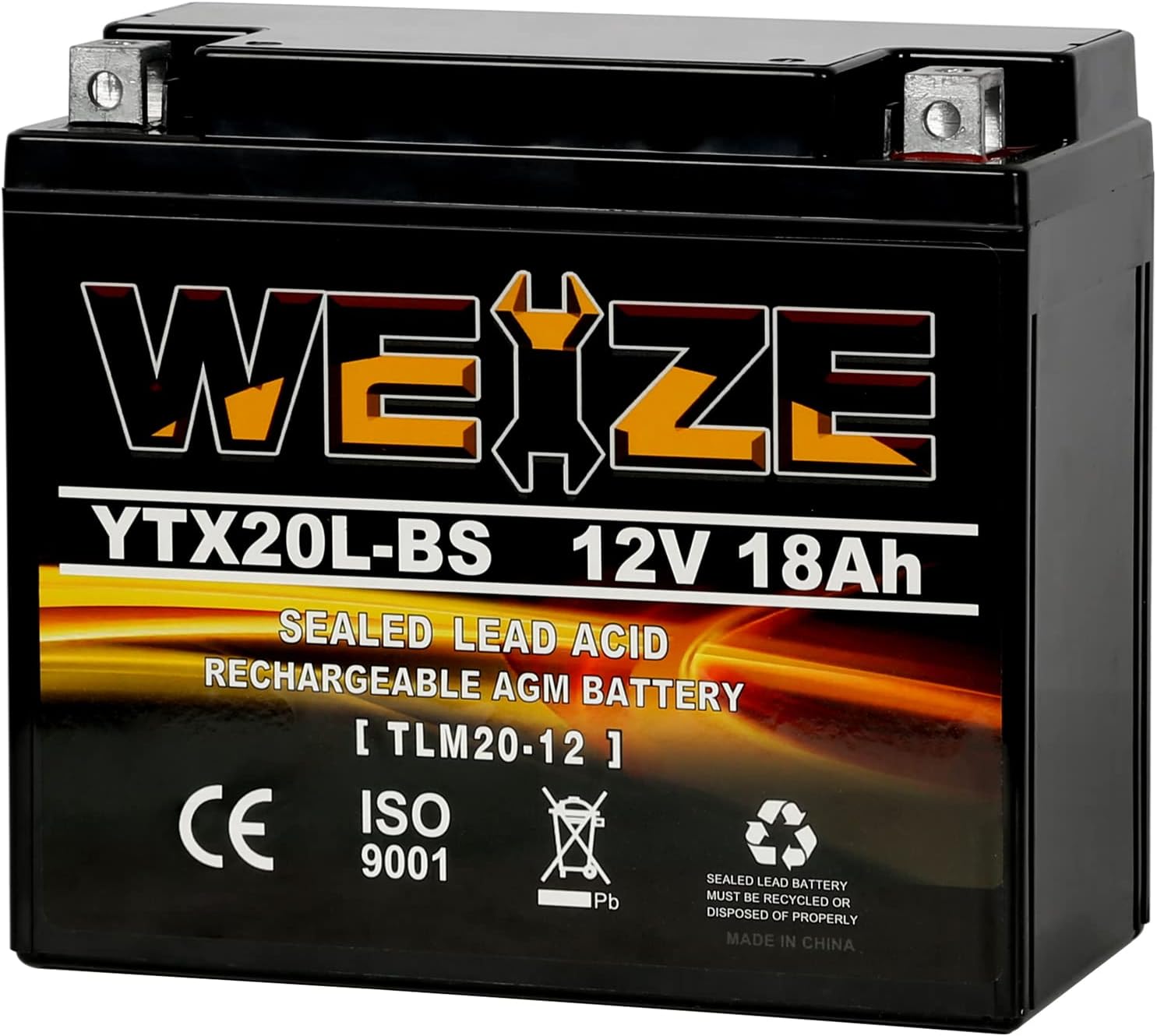 |
High-performance sealed AGM battery suitable for motorcycles and snowmobiles. | View on Amazon |
|
Mighty Max Battery ML-U1-CCAHR  |
Rechargeable SLA AGM battery with 320 CCA, ideal for various powersport applications. | View on Amazon |
|
Battanux 12N9-BS Motorcycle Battery  |
Sealed SLA/AGM battery for ATVs and motorcycles, maintenance-free with advanced technology. | View on Amazon |
The manufacturing process for AGM batteries involves precision engineering to compress glass mat separators between lead plates without leaving air pockets. This requires specialized equipment and stricter quality control compared to the simpler assembly of standard batteries. Additionally, AGM batteries use higher-purity lead alloys to minimize gassing and self-discharge. While the upfront cost is higher, AGM’s total ownership cost often proves lower when factoring in reduced replacement frequency and zero maintenance expenses. For example, a standard battery costing $100 may require two replacements within a decade, while a single $250 AGM battery could last the entire period.
| Cost Factor | AGM Battery | Standard Battery |
|---|---|---|
| Initial Purchase | $200-$300 | $80-$150 |
| 10-Year Replacements | 1 | 2-3 |
| Maintenance Costs | $0 | $50-$100 |
What Are the Maintenance Requirements for Each Battery Type?
AGM batteries require no maintenance—no water refilling or terminal cleaning. Standard batteries need monthly electrolyte checks, distilled water top-offs, and terminal corrosion removal. Improper maintenance of standard batteries accelerates sulfation and reduces lifespan, while AGM’s sealed design eliminates these risks.
Which Battery Performs Better in Cold Weather?
AGM batteries deliver 20-30% higher cold cranking amps (CCA) due to lower internal resistance. They maintain voltage stability in sub-zero conditions, ensuring reliable starts. Standard batteries struggle in cold climates as liquid electrolyte can freeze, reducing capacity. AGM’s absorbed electrolyte remains functional, making them ideal for winter use.
In extreme cold (-20°C/-4°F), AGM batteries maintain 95% of their rated CCA compared to standard batteries’ 70-80% performance. The fiberglass mat structure prevents electrolyte freezing while maintaining optimal ion transfer between plates. This makes AGM batteries particularly valuable for diesel engines requiring high cranking power in Arctic conditions. Field tests show AGM batteries start vehicles 40% faster than standard batteries at -30°C, with voltage drop limited to 0.2V versus 0.5V in flooded batteries.
Can AGM Batteries Handle Deep Discharge Cycles Better?
Yes. AGM batteries withstand 400-600 deep cycles (80% discharge) vs. 200-300 for standard batteries. The glass mats prevent plate shedding during deep discharges, extending usability in RVs, solar setups, and marine applications. Standard batteries degrade faster under deep cycling due to plate corrosion and electrolyte stratification.
How Do Charging Methods Differ Between AGM and Standard Batteries?
AGM batteries require a voltage-regulated charger (14.6-14.8V) to avoid overcharging, which can dry the mats. Standard batteries use higher voltage (15-15.5V) but tolerate occasional overcharging. Using a standard charger on AGM batteries reduces lifespan, while AGM-compatible chargers optimize charging for both types.
Smart chargers with AGM presets monitor temperature and adjust voltage dynamically, preventing sulfation in standard batteries and overcharging in AGMs. For solar applications, AGM batteries need charge controllers with float voltage compensation (13.2-13.8V) versus standard battery systems using 13.8-14.4V. Improper charging can reduce AGM lifespan by 50%—a flooded battery might lose 20% capacity under similar mismanagement.
| Charging Parameter | AGM Battery | Standard Battery |
|---|---|---|
| Bulk Charge Voltage | 14.4-14.8V | 14.8-15.5V |
| Float Voltage | 13.2-13.8V | 13.6-13.8V |
| Max Charge Current | 20% of capacity | 25% of capacity |
Are AGM Batteries Environmentally Friendlier?
AGM batteries are 99% recyclable and leak no acid, reducing soil contamination risks. Their sealed design minimizes hydrogen emissions, enhancing safety. Standard batteries emit hydrogen gas and risk acid spills but are equally recyclable. However, improper disposal of standard batteries poses greater environmental hazards.
Expert Views
“AGM technology represents a paradigm shift in energy storage. Its resilience in deep-cycle applications and minimal upkeep make it a superior choice for modern automotive and renewable systems. However, users must avoid overcharging—the Achilles’ heel of AGM—to maximize its 10-year potential.” — Industry Expert, PowerTech Batteries
Conclusion
AGM batteries outperform standard options in durability, safety, and cold-weather reliability but come at a higher upfront cost. Choose AGM for demanding applications like RVs or off-grid solar. Standard batteries suffice for budget-conscious users in moderate climates. Prioritize charging compatibility and maintenance habits to optimize battery life.
FAQ
- Can I Replace a Standard Battery with an AGM?
- Yes, if your charging system supports AGM’s voltage requirements. Consult your vehicle manual or upgrade to a smart charger to prevent damage.
- Do AGM Batteries Last Longer?
- Yes. AGM lifespan is 6-10 years vs. 3-5 years for standard batteries, provided they are charged correctly and not deeply discharged frequently.
- Are AGM Batteries Safe for Indoor Use?
- Yes. Their sealed, no-spill design and low gas emissions make AGM batteries safe for boats, RVs, and backup power systems indoors.